

What custom development covers

Custom development is the work behind the page. In the Define–Design–Traffic–Convert method (DDTC) it lands mostly in Convert: the forms, calls, bookings and purchases a site exists to produce, the integrations that carry them into the systems you already run, and the measurement that says what happened.

That covers e-commerce, such as the WooCommerce store built to sell for Berry Bee Energy. It covers the licensing and commerce behind a software product, as in the go-to-market and licensing work for AutoTherm, an engineering tool. It covers the integrations behind a booking page, a lead form or a phone line, so a lead lands where someone will act on it, and the automation of a process a firm currently does by hand. Other builds have included the licensing and commerce plumbing for an engineering software launch, so a desktop product could be bought, activated and delivered without the founder touching each order; the AutoTherm case study walks through it.

Jeff built an agentic system that produces finished client websites, and the same discipline applies to client work: discovery first, a defined scope, a build that is measured once it is live. We do not start by choosing tools. We start by naming what the system has to do and who has to use it, then choose the smallest build that does it well.

A build is scoped as a project, and the ongoing consulting that often follows it is a separate engagement. You hear what is happening while it is built, and you see it working before it goes live.
Ring of white dominoes with one red domino standing apart on a white surface

Built to sell and to ship

The two development-tagged sites in the portfolio: a store that sells, and the launch site for an engineering tool. Each card opens the live site in a new tab.

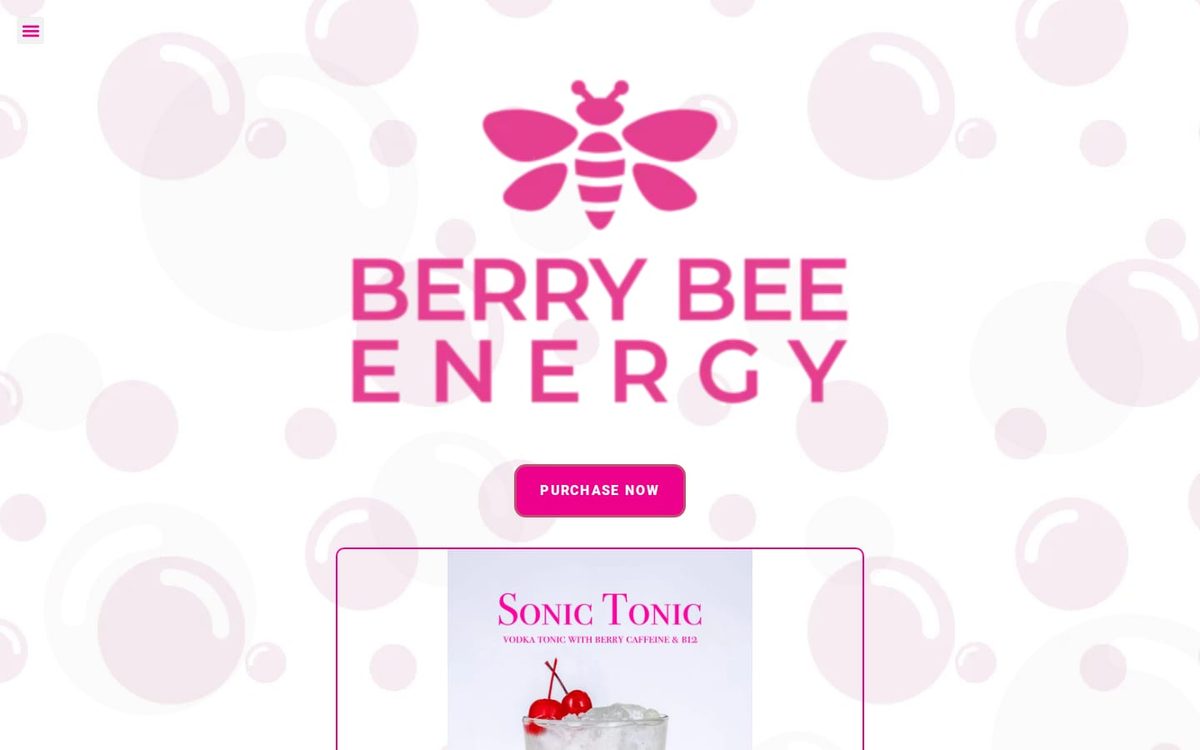
Homepage of Berry Bee Energy

E-commerceDevelopment

Berry Bee Energy

Energy drink brand; a WooCommerce store built to sell.

berrybeeenergy.com

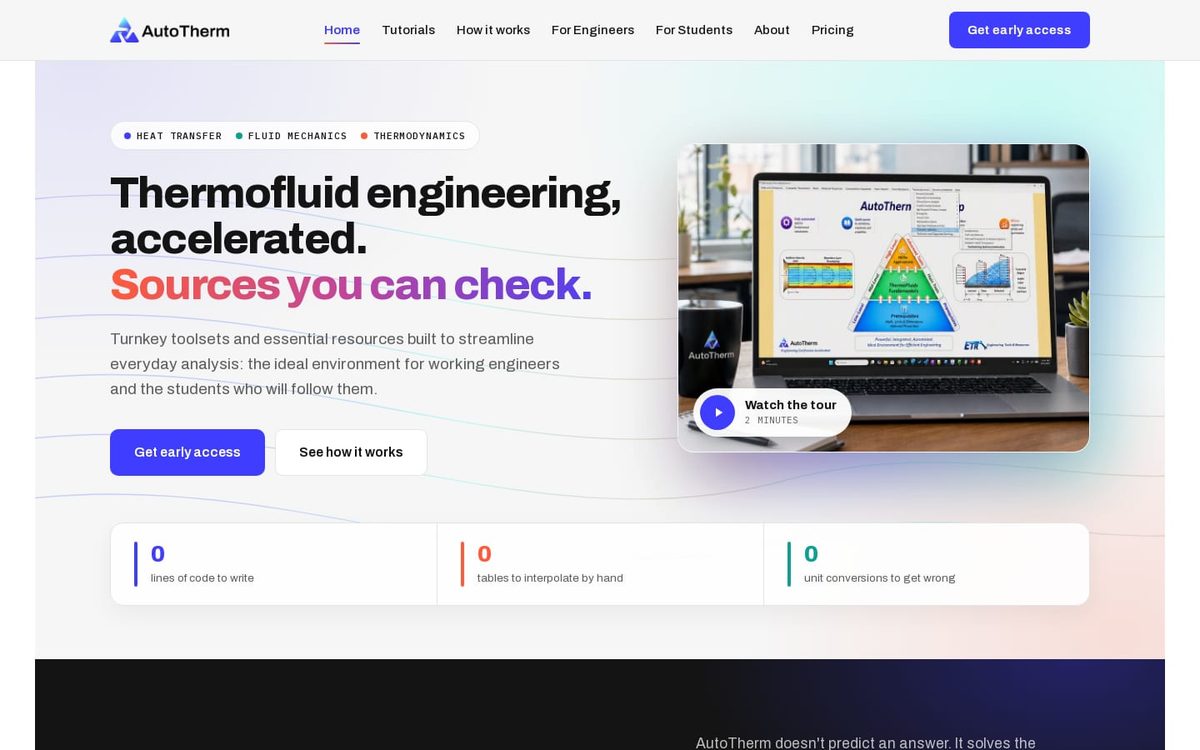
Homepage of AutoTherm (ETR, LLC)

SoftwareDevelopmentConsulting

AutoTherm (ETR, LLC)

Engineering software launch: site, content and the licensing and commerce plumbing.

automatedengineeringtools.com

How a build runs

Discovery first, then a scoped project, then measurement. No durations here; each build carries its own timeline in the scope.

  1. Discovery first

    Before anything is scoped, we map what the system has to do, who uses it, what it connects to and what it replaces. For a process or AI question, this is where we price what the current process costs.

  2. Scope it as a project

    The build gets a written scope: what is in, what is out, what it connects to and how we will know it worked. Builds are scoped as projects, separate from consulting retainers.

  3. Build it

    Jeff builds it, with collaborators brought in for a specific piece when a project needs one. You hear what is happening as it happens, and you see it working before it goes live.

  4. Measure what happens

    Convert is the last phase of the DDTC Method for a reason. Forms, purchases, bookings and calls are measured from launch, so the question of whether it worked has an answer.

Development pieces

Start a project

Describe the system you need, or book a call and we will work out whether it is a build, a consulting engagement or both.

Reschedule or cancel from the confirmation email anytime.